
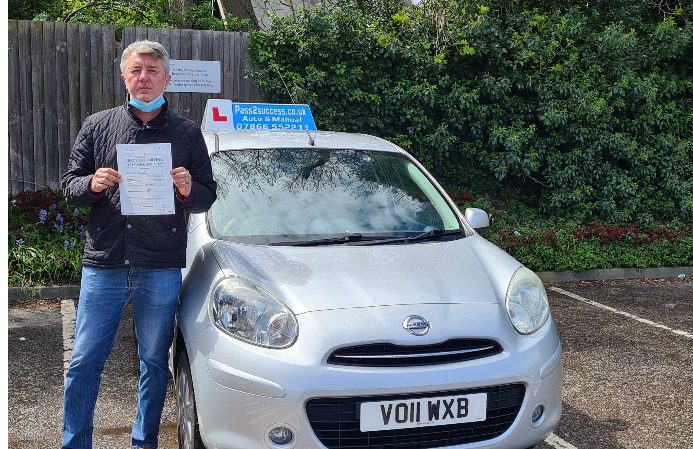
Learning to drive late in life
Have you decided to learn to drive later in life? Perhaps in your 40’s, 50’s or even 70’s? That’s brilliant news! It’s never too late to learn a new skill, and whilst there are certain advantages to learning to drive while young, older learner drivers have advantages too. In this article, we’ll get to grips with some of the challenges you might face – as well as some of the pros that come with learning to drive later in life. So, buckle up, and let’s get started!
Older learner drivers pay less insurance
This one’s a no brainer. As insurance companies know, 17-year-olds aren’t the most responsible decision makers—if you’ve ever been in the car with one, you’ll know too. Learning to drive for younger people can be as much about impressing friends and rivals, as getting from A to B. (You know, neuroscientists claim that the decision-making centres in our brains aren’t fully developed until the age of 25.)
As an older person learning to drive, you’ll have much lower insurance premiums. It’s simple, really: Insurance companies recognise that with greater age comes a greater sense of responsibility and purpose.
Learning to drive at a later age takes longer
Statistics show that first test pass rates decline gradually with age (from 54.5% for 17 year olds, to 39% for 40-50 year olds.)
There could be several reasons for this. Older learner drivers usually have more responsibilities and commitments, so finding the time to dedicate to learning can be more challenging. Also, things do tend to slow down a bit with age. Young brains absorb and process information faster than more mature brains—younger bodies are more resilient to the stresses and strains that can accompany driving, too.
Still, this isn’t any reason to lose heart. Learning to drive at an older age may take a little longer, but that doesn’t mean the result will be worth any less. Tortoise and hare springs to mind…
(P.S. for tips on how to ace your test first time, see here.)
Older learner drivers are more considerate
Some might even say a better driver. This relates to the first point, but it’s worth expanding on. As an older and, in theory, more responsible human, you’re more likely than younger drivers to consider the safety and needs of your fellow road users.
And, really, that’s what good driving is all about. We’re not learning for formula one here, after all. Getting from A to B efficiently and safely is the priority, and being aware of other road users is a huge part of that—something that you, as an older learner driver, are much more likely to appreciate than your younger peers.
So, there we have it. Learning to drive later in life comes with both advantages and disadvantages. It may take you a little longer, but you’re more likely to be a safer, more considerate driver when you pass. Ultimately, age shouldn’t be a barrier to achieving your goals, and, as with much else, you’ll get out what you put in to learning to drive.