
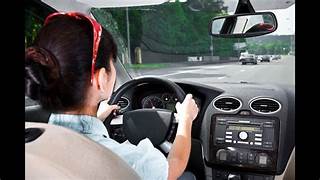
Starting driving lessons is a big milestone, marking the beginning of your journey towards independence and mobility. Whether you’re eager to get behind the wheel as soon as possible or want to ensure you’re fully prepared, it’s important to know when and how you can start your driving lessons. In this blog, we’ll cover everything you need to know about when you can begin driving lessons, including the legal requirements, preparation tips, and what to expect during your first lesson.
Legal Age Requirements for Driving Lessons
The first thing to consider when starting your driving lessons is whether you meet the legal requirements. In most countries, there is a minimum age to start learning how to drive.
- In the UK, you can start taking driving lessons at the age of 17. However, if you’re receiving the enhanced rate of the mobility component of Personal Independence Payment (PIP), you can begin learning to drive at 16.
- In the US, the age to begin varies by state. Some states allow you to start learning at 16, while others may permit drivers as young as 14-15 with certain conditions, such as holding a learner’s permit.
Before you book your lessons, make sure you’ve reached the legal driving age in your country or region.
Getting Your Provisional License
In most places, you’ll need to obtain a provisional driving license before you can start your lessons. This license allows you to legally practice driving under supervision and is often a prerequisite to booking lessons with a qualified instructor.
- In the UK, you can apply for a provisional driving license once you turn 15 years and 9 months old, but you cannot drive on public roads until you’re 17.
- In the US, you’ll typically need to pass a written test to receive your learner’s permit, depending on your state’s regulations.
Make sure you have your provisional license or learner’s permit before booking lessons, as most instructors will ask to see it before starting.
When Should You Start Driving Lessons?
Once you’ve met the legal requirements and have your provisional license, the next question is when to actually start your lessons. Here are a few factors to consider:
- Confidence and Readiness: If you feel nervous or uncertain about driving, you may want to wait until you feel more prepared mentally. Learning to drive requires concentration and confidence, and starting lessons before you’re ready may lead to unnecessary stress.
- Financial Preparedness: Driving lessons can be an investment, so ensure you have a budget in place for regular lessons. On average, learners need around 45 hours of lessons to pass their driving test in the UK, along with private practice. Consider the cost of lessons, tests, and any additional study materials.
- Time Availability: Consistency is key to learning how to drive. Make sure you have enough time in your schedule to take regular lessons, ideally weekly, to keep progressing smoothly. Sporadic lessons may delay your progress and make it harder to retain what you’ve learned.
Preparing for Your First Driving Lesson
Starting your driving lessons can feel daunting, but with the right preparation, you’ll feel more confident and ready to go. Here are a few tips to help you get started:
- Study the Highway Code: Before your first lesson, familiarize yourself with the rules of the road. In the UK, the Highway Code outlines essential road laws, signs, and driving etiquette. This knowledge will come in handy during your lessons and when preparing for your theory test.
- Book with a Qualified Instructor: Choose a professional and certified driving instructor to ensure you receive the best possible training. Look for an instructor with good reviews, a patient approach, and experience in teaching new drivers.
- Get the Right Gear: For your lessons, wear comfortable clothing and shoes that allow you to easily operate the pedals. Avoid high heels or bulky footwear that could interfere with your ability to feel the car’s controls.
- Prepare Mentally: It’s normal to feel nervous before your first driving lesson, but try to approach it with an open and calm mindset. Remember that your instructor is there to guide you through the process step-by-step, and mistakes are a natural part of learning.
What to Expect During Your First Driving Lesson
Your first driving lesson is usually about getting you comfortable in the car and familiarizing you with the basics. Here’s what you can typically expect:
- Introduction to the Vehicle: Your instructor will start by showing you the car’s controls, including the pedals (clutch, brake, and accelerator), steering wheel, and gears (if you’re learning manual). You’ll also learn how to adjust your seat and mirrors for safety.
- Basic Car Control: Your first lesson will likely take place in a quiet area with little traffic. You’ll practice basic car control, such as moving off, stopping, steering, and possibly some gear changes.
- Building Confidence: The goal of the first lesson is to make you feel comfortable in the car and begin building your driving confidence. Don’t worry if you don’t get everything right immediately – your instructor will guide you through each step at a pace that suits you.
- Feedback and Future Planning: At the end of your lesson, your instructor will provide feedback on how you did and outline what you’ll work on in the next session. This will give you a clear idea of how your learning will progress.
The Path to Your Driving Test
Once you start your lessons, the journey to passing your driving test involves a combination of practice, study, and improvement. Here’s a rough outline of what to expect:
- Theory Test: Before taking your practical driving test, you’ll need to pass a theory test. This typically involves a multiple-choice section and a hazard perception test, both designed to assess your knowledge of road rules and safe driving practices.
- Consistent Practice: Regular lessons with a qualified instructor, along with private practice if possible, will help you develop your skills over time. Your instructor will guide you through more advanced techniques, such as handling roundabouts, parking, and navigating complex traffic situations.
- Mock Tests: Many instructors offer mock driving tests to simulate the real thing. These tests give you a feel for what to expect on the day and help reduce test-day nerves.
- Practical Driving Test: Once you’re ready, your instructor will advise you to book your driving test. Passing the test requires demonstrating that you can drive safely, follow road rules, and make sound decisions under pressure.
Conclusion
Starting your driving lessons is a significant step toward gaining independence and mastering an essential life skill. By understanding the legal requirements, preparing mentally and financially, and choosing the right time to begin, you’ll be well on your way to becoming a confident, safe driver.
If you’re ready to begin your driving journey, get your provisional license, book lessons with a qualified instructor, and soon enough, you’ll be confidently navigating the roads.