
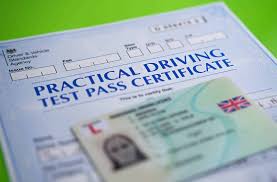
Driving is an essential life skill that gives you freedom and independence. In the UK, before you can begin learning to drive, you must first apply for a provisional driving licence. This licence allows you to start driving lessons and take your driving theory test. Whether you’re eager to hit the road or simply want the option to drive, applying for a provisional driving licence is the first crucial step.
This guide will walk you through the entire process of applying for a provisional licence. It will explain the eligibility requirements, application process, costs, and what to do after receiving your licence. By the end of this article, you will have a clear understanding of how to successfully apply for your provisional driving licence.
What is a Provisional Driving Licence?
A provisional driving licence is a type of licence that allows you to start learning to drive. You need it before you can take any driving lessons, whether with an instructor or someone you know. With a provisional licence, you can:
- Learn to drive a car, motorcycle, or moped (depending on your category of licence).
- Take your driving theory test and practical driving test.
- Ride a moped or motorcycle in some cases, but with certain restrictions.
The provisional licence comes with certain conditions, such as always having a qualified driving instructor or experienced driver with you when you’re behind the wheel.
Eligibility for a Provisional Licence
Before applying for a provisional driving licence, you need to ensure you meet the eligibility criteria set by the Driver and Vehicle Licensing Agency (DVLA).
Age Requirements
- Cars: You can apply for a provisional driving licence to drive a car when you are at least 15 years and 9 months old, but you cannot start driving until you turn 17.
- Motorcycles or Mopeds: You can apply for a provisional licence at 16 to ride a moped, but you must wait until you’re 17 to ride a motorcycle.
Residency
- You must be a resident of the UK to apply for a provisional licence.
- You should have lived in the UK for at least 185 days in the last 12 months.
Health Requirements
- You must be able to read a number plate from a distance of 20 metres (with glasses or contact lenses if necessary).
- If you have certain medical conditions or disabilities, you may need to inform the DVLA before applying. This includes conditions like epilepsy, diabetes, or visual impairments. The DVLA has a list of medical conditions that may affect your ability to drive.
Identification and Personal Details
To apply for a provisional driving licence, you will need to provide the following:
- A valid UK passport or other forms of identification if you don’t have one.
- Your National Insurance number (if you have one).
- Proof of your addresses for the last 3 years.
How to Apply for a Provisional Driving Licence
There are two main ways to apply for your provisional licence: online and by post. The online method is quicker and more convenient, but if you don’t have access to the internet, you can use the postal method.
Applying Online
The online application process is straightforward and can be done in a few simple steps. Follow these instructions to apply for your provisional licence online:
- Visit the GOV.UK Website
Go to the official GOV.UK website and find the section for applying for a provisional driving licence. - Create or Log in to Your Government Gateway Account
If you’ve applied for any government service before, such as taxes or benefits, you may already have a Government Gateway account. If not, you’ll need to create one. This process is simple and involves setting up a username and password. - Complete the Application Form
You will be asked to fill out an application form with your personal details, including your name, address history, and contact information. Be sure to fill in all the required fields accurately. - Provide Proof of Identity
You will need to provide a valid UK passport number as proof of identity. If you don’t have a passport, you’ll need to provide other forms of ID, such as a birth certificate or biometric residence permit. This may slow down the application process. - Pay the Fee
The cost for applying for a provisional driving licence online is £34. You can pay this fee using a debit or credit card. - Submit Your Application
Once you’ve completed all the required sections and paid the fee, submit your application. You will receive a confirmation email, and your licence will be processed by the DVLA. - Receive Your Licence
Your provisional driving licence should arrive within one week if you applied online. However, this can take longer during busy periods or if there are delays in processing your identification documents.
Applying by Post
If you prefer, you can apply for a provisional driving licence by post. This method is slower but still an option for those who cannot apply online.
- Obtain a D1 Application Form
You can get a D1 application form from most Post Office branches or by ordering one online from the DVLA. - Fill Out the Form
Complete the D1 form with your personal details. Make sure all the information is accurate and up to date. - Provide Proof of Identity
You will need to include your passport or a certified copy of your birth certificate as proof of identity. Additionally, you may need to submit a passport-sized photo. - Pay the Fee
The fee for applying by post is £43. You can pay by cheque or postal order, made payable to ‘DVLA’. - Post the Application
Once you’ve filled out the form and attached all required documents, send the application to:
DVLA, Swansea, SA99 1AD. - Receive Your Licence
It usually takes about three weeks to receive your provisional driving licence by post, but this can vary depending on how quickly your application is processed.
What Happens After You Receive Your Provisional Licence?
Once your provisional driving licence arrives, you can begin learning to drive. Here’s what you need to know about the next steps:
Start Taking Driving Lessons
With a provisional licence, you can start taking driving lessons. You’ll need to learn with a qualified driving instructor or someone over 21 who has held a full driving licence for at least three years. The following points are key to getting started:
- Choosing Between Manual and Automatic: You need to decide whether you want to learn to drive in a manual or automatic car. Manual cars require you to change gears, while automatic cars handle gear changes for you.
- Finding an Instructor: It’s essential to find a reputable and qualified driving instructor. Look for one who is approved by the DVSA (Driver and Vehicle Standards Agency).
- Booking Lessons: You can book lessons based on your schedule, but consistency is key to learning quickly. Most learners require around 45-50 hours of driving lessons before they are test-ready.
Taking Your Theory Test
Before you can take your practical driving test, you must pass the driving theory test. The theory test consists of two parts:
- Multiple-Choice Questions: You’ll be asked 50 questions, and you must score at least 43 to pass.
- Hazard Perception: You’ll watch 14 video clips and must identify developing hazards. You need to score at least 44 out of 75.
You can book the theory test online through the GOV.UK website. The cost of the theory test is £23.
Practical Driving Test
After passing your theory test, you can book your practical driving test. The practical test assesses your ability to drive safely and confidently on the road. You’ll be tested on various skills, including:
- Driving Independently: You’ll be asked to drive for about 20 minutes following either a sat nav or road signs.
- Reversing: You’ll need to demonstrate one reversing manoeuvre, such as parallel parking or reversing into a bay.
- Vehicle Safety Questions: Before starting the driving test, the examiner will ask you two “show me, tell me” vehicle safety questions.
The practical test costs £62 on weekdays or £75 on weekends or evenings.
Driving with a Provisional Licence: Restrictions
While you have your provisional licence, there are a few restrictions you must follow:
- Supervised Driving Only: You cannot drive alone. You must be accompanied by someone who is at least 21 years old and has held a full UK driving licence for at least three years.
- L Plates: You must display ‘L’ plates on the front and back of the vehicle when you’re driving. In Wales, you can display ‘D’ plates instead.
- Motorways: As of 2018, learner drivers can drive on motorways, but only with a qualified driving instructor and in a dual-controlled car.
Conclusion
Applying for a provisional driving licence in the UK is the first step toward becoming a fully licensed driver. The process is straightforward, but it’s important to ensure you meet all the eligibility criteria and provide the correct documentation. Whether you apply online or by post, you should receive your licence within a few weeks.
Once you have your provisional licence, you can start learning to drive, preparing for both your theory and practical tests, and eventually gaining the independence that comes with a full driving licence. Keep in mind that safe driving is a lifelong skill, and the lessons you learn during this process will serve you well on the road.