
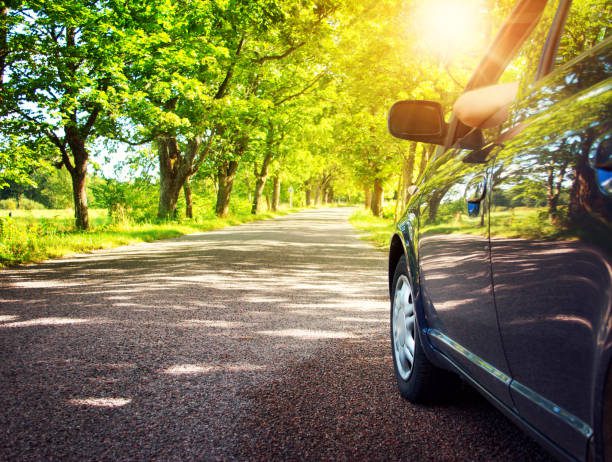
Introduction
Summer is the perfect time for road trips, vacations, and outdoor adventures. However, the warmer months bring unique driving hazards that can lead to accidents and vehicle breakdowns if not properly addressed. From extreme heat to increased traffic congestion, being aware of these risks can help you stay safe on the road. In this guide, we’ll cover the top summer driving hazards and provide expert tips on how to avoid them.
1. Overheated Engines
Why It Happens:
High temperatures can cause engines to overheat, especially if the cooling system is not functioning correctly. Long-distance drives and traffic jams can put additional strain on your vehicle.
How to Prevent It:
- Check coolant levels regularly and top them off if needed.
- Inspect the radiator and cooling system before summer trips.
- Monitor the temperature gauge while driving and pull over if it rises too high.
- Use sunshades to reduce internal heat buildup when parked.
2. Tire Blowouts
Why It Happens:
Hot pavement can cause tire pressure to rise, increasing the risk of blowouts, especially if tires are underinflated or worn out.
How to Prevent It:
- Check tire pressure regularly, especially before long trips.
- Rotate and replace tires as recommended by the manufacturer.
- Avoid overloading your vehicle, which puts additional stress on tires.
- Drive cautiously on hot pavement to reduce wear and tear.
3. Increased Traffic & Road Congestion
Why It Happens:
Summer is peak travel season, leading to congested highways, road construction, and increased accidents.
How to Prevent It:
- Plan your trips in advance to avoid peak traffic hours.
- Use GPS apps like Google Maps or Waze for real-time traffic updates.
- Stay patient and practice defensive driving to reduce road rage incidents.
- Keep an emergency kit in your car in case of unexpected delays.
4. Distracted Drivers & Tourists
Why It Happens:
More people are on the road for vacations, leading to an increase in distracted driving due to unfamiliar routes, sightseeing, or mobile phone use.
How to Prevent It:
- Stay alert and anticipate sudden stops or lane changes.
- Avoid distractions in your own car, such as texting or adjusting GPS while driving.
- Give extra space to rental cars and out-of-state plates, as they may be unfamiliar with local roads.
5. Dehydration & Fatigue
Why It Happens:
Long hours behind the wheel in hot weather can lead to dehydration and drowsiness, reducing reaction times and increasing the risk of accidents.
How to Prevent It:
- Drink plenty of water and take breaks every two hours.
- Avoid caffeine-heavy drinks, as they can lead to dehydration.
- Use sunglasses to reduce glare and prevent eye strain.
- Switch drivers if traveling with others to stay refreshed.
6. More Pedestrians, Cyclists, and Motorcyclists
Why It Happens:
With warm weather, more people choose biking, walking, and motorcycling, increasing the chances of collisions.
How to Prevent It:
- Check blind spots carefully before lane changes or turns.
- Always yield to pedestrians at crosswalks.
- Give cyclists at least 3 feet of space when passing.
- Use extra caution in city centers and near tourist areas.
7. Glare and Reduced Visibility
Why It Happens:
The intense summer sun can create glare, reducing visibility and making it harder to see traffic signals, pedestrians, and road signs.
How to Prevent It:
- Use polarized sunglasses to reduce glare.
- Keep your windshield clean inside and out to minimize reflections.
- Adjust your sun visors strategically to block direct sunlight.
- Drive with your headlights on during sunrise and sunset for better visibility.
8. Road Construction and Detours
Why It Happens:
Summer is prime time for road repairs, leading to sudden lane closures, detours, and unexpected delays.
How to Prevent It:
- Check road conditions before your trip using traffic apps.
- Be patient and follow posted detour signs.
- Slow down in construction zones to avoid fines and accidents.
- Give extra space to construction vehicles and workers.
9. Wildlife on Roads
Why It Happens:
More animals are active in summer, increasing the risk of collisions, especially in rural areas and near national parks.
How to Prevent It:
- Drive cautiously in areas with animal crossing signs.
- Use high beams in low-traffic areas at night for better visibility.
- If an animal appears, brake firmly but avoid swerving.
- Be especially alert at dawn and dusk, when animals are most active.
Conclusion
Summer driving comes with its own set of hazards, but with proper preparation and safe driving habits, you can enjoy the season without unnecessary risks. By checking your vehicle, staying alert, and planning your trips wisely, you’ll ensure a smooth and safe driving experience.
For more expert tips on safe driving and vehicle maintenance, check out our other guides or contact a certified driving school in your area.
Pass2Success offers a variety of driving lesson packages in Birmingham, with options for both manual and automatic vehicles, explore our prices