
In the UK, the roads are shared by a variety of vehicles, including cars, trucks, motorbikes, and bicycles. As the number of cyclists on the road continues to rise, it’s essential for drivers to understand how to safely share the road with cyclists. Whether you’re driving through busy city streets, quiet country lanes, or on more rural roads, following these tips can help you stay safe and respectful towards cyclists, while avoiding accidents and collisions.
Understanding the Importance of Road Safety for Cyclists
Cyclists are particularly vulnerable road users, as they lack the physical protection that other vehicles provide. The UK has seen a rise in cycling, with more people embracing it as a healthy, eco-friendly mode of transport. However, despite this increase in cycling popularity, it’s important for all road users—drivers, cyclists, and pedestrians alike—to understand the importance of road safety for cyclists. Accidents involving cyclists often result in severe injuries or fatalities, making it crucial for drivers to adopt safe driving practices and respect cyclists’ rights on the road.
1. Maintain Safe Distances from Cyclists
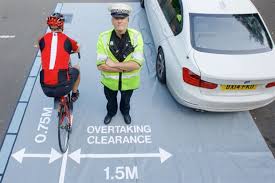
One of the most important rules when driving near cyclists is to maintain a safe distance. In the UK, drivers are required to keep at least 1.5 meters of space when overtaking cyclists on the road. This distance gives cyclists the necessary space to manoeuvre safely and ensures that the driver does not put the cyclist in danger.
When overtaking, always slow down and wait until it is safe to pass the cyclist. Avoid squeezing past cyclists when there isn’t enough space. Drivers should also be particularly cautious when overtaking cyclists at junctions, intersections, or narrow roads where cyclists may need to adjust their position for safety.
2. Give Way to Cyclists at Junctions
Cyclists often need to make turns or change lanes at junctions, and this can put them in potentially dangerous situations if they don’t have the right of way. As a driver, it’s essential to give cyclists plenty of space and priority when they are approaching a junction, especially when they are in a cycle lane.
At roundabouts, ensure you check for cyclists as well as vehicles, and give them time and space to pass through safely. Remember that cyclists may need to signal their intent to change direction or lane, just as other drivers would. Be patient and considerate, allowing them to navigate the junction without feeling rushed or at risk.
3. Be Aware of Cyclists in Blind Spots
Cyclists are smaller and less visible than other road users, so it’s essential for drivers to be extra vigilant when changing lanes or turning. Before changing lanes or making a turn, always check your blind spots for cyclists. A cyclist could be in a position where they are difficult to spot in your mirrors, so use shoulder checks and ensure the lane is clear before moving.
Additionally, cyclists often ride closer to the curb, especially in traffic, so drivers should be careful not to make sudden lane changes that might catch cyclists off guard.
4. Don’t Use Your Horn Near Cyclists
Using the horn near cyclists can startle them and may cause them to lose control, which can lead to accidents. When driving near a cyclist, it’s important to use your horn only when necessary, and even then, only if you need to alert a cyclist to your presence. It’s much safer to slow down and pass the cyclist carefully, rather than trying to rush them or intimidate them with your horn.
Cyclists often need extra time to manoeuvre around potholes, road debris, or other obstacles, so avoid tailgating or honking in these situations. Be patient, and remember that cyclists need space and time to navigate the road safely.
5. Use Indicators and Signal Your Intentions Clearly
As with any other road user, it is important to use your indicators (turn signals) when turning or changing lanes, especially when approaching cyclists. Always give clear and early signals of your intentions to avoid confusing or startling cyclists who may not be able to predict your next move.
If you are turning left or right, be sure to check for cyclists and allow them to pass before making the turn. Remember that cyclists may be riding in a designated cycle lane, which can sometimes be overlooked by drivers. If the cyclist is approaching from behind, signal well in advance so they can react accordingly.
6. Avoid Opening Car Doors into the Path of Cyclists
One of the most common accidents involving cyclists occurs when drivers or passengers open their car doors without checking for cyclists. Known as “dooring,” this situation can result in serious accidents if a cyclist collides with an opened car door. To prevent this, always check your mirrors and look over your shoulder before opening the door.
If you’re parked along the side of the road, it’s good practice to open the door with your left hand (if driving in the UK), as this will naturally cause you to turn your body and check for cyclists approaching from behind. Taking this simple precaution can prevent a dangerous accident.
7. Be Extra Cautious in Bad Weather
Adverse weather conditions, such as rain, snow, or fog, can make cycling more hazardous and reduce a cyclist’s visibility. When driving in these conditions, reduce your speed and increase your following distance, giving cyclists more space. Wet or slippery roads can also make it harder for cyclists to stop or maintain balance, so driving with extra caution is key.
During wet weather, be aware of puddles or standing water that could pose a hazard to cyclists. These water hazards can cause cyclists to lose control or become unbalanced, so giving them extra space during wet conditions can help prevent accidents.
8. Understand Cycle Lanes and Road Markings
The UK has a variety of road markings and signs designed to keep cyclists safe, such as dedicated cycle lanes, advanced stop lines (ASLs), and cycle boxes at traffic lights. Understanding these features will help you navigate the road safely when sharing it with cyclists.
- Cycle lanes: Often marked with a solid or dotted line and a bicycle symbol. When driving, always avoid parking or stopping in cycle lanes.
- Advanced stop lines (ASLs): These are marked with a box at traffic lights that allow cyclists to position themselves ahead of motor vehicles for safer turns.
- Cycle boxes: These are often found at traffic signals, allowing cyclists to wait in front of motor vehicles for better visibility and a safer start when the lights change.
Respect these markings, and ensure that you don’t block cyclists’ access to these spaces.
9. Watch Out for Cyclists at Night
Cyclists riding at night are required by law to have front and rear lights, and wearing reflective clothing is strongly encouraged. However, not all cyclists follow these rules, and visibility can still be challenging, especially in poorly lit areas. When driving at night, be extra cautious and keep an eye out for cyclists, especially if they are not easily visible.
If you’re driving in an area with poor street lighting, consider reducing your speed to give yourself more time to react to unexpected obstacles or cyclists. Be especially vigilant when passing through areas where cyclists may be more likely to ride, such as park paths or near cycling clubs.
10. Be Mindful of Children and Less Experienced Cyclists
Children and novice cyclists are more likely to be unpredictable on the road. They may not have the experience or skills to navigate traffic safely and might make sudden movements or ride erratically. When driving in areas where children are likely to be cycling, such as near schools or parks, always drive slowly and expect the unexpected.
If you see children on bikes, reduce your speed and be prepared to stop if necessary. Allow extra space when overtaking them, as they might need more time to react to your vehicle.
Learn essential road safety tips for drivers and cyclists from the we are cyclin UK to ensure a safe driving environment for everyone.
Conclusion: Sharing the Road with Cyclists Responsibly
In the UK, it is vital that both drivers and cyclists share the road responsibly to ensure everyone’s safety. By maintaining a safe distance, using indicators, respecting cycle lanes, and staying vigilant, you can significantly reduce the risk of accidents and make the roads safer for all users.
Safe driving practices require awareness, patience, and respect for other road users. By following these driving tips, you can help create a more harmonious and safer environment for cyclists, ultimately contributing to safer, more enjoyable roads for everyone.
Explore more tips and insights by visiting our blog today!