
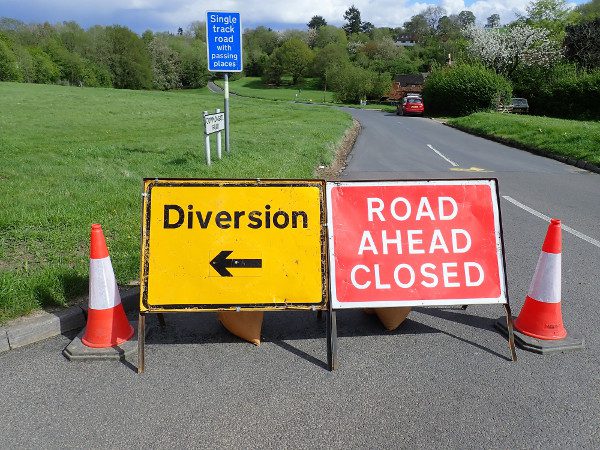
Your Essential Guide to Staying Safe on UK Roads During Roadworks
Introduction
If you’ve driven anywhere in the UK recently, chances are you’ve encountered a diversion, temporary traffic lights, or roadworks. Whether it’s a small local repair or major motorway upgrades, road construction and closures are a regular part of British driving life. Understanding how to drive safely through UK roadworks isn’t just about reaching your destination — it’s about protecting yourself, road workers, and fellow drivers.
In this guide, we cover safe driving in temporary traffic control zones, UK road diversion tips, and how to navigate road closures due to construction with confidence and care.
Why Construction Zones Require Extra Caution
Roadworks can introduce unexpected hazards such as:
- Narrow lanes
- Speed restrictions
- Temporary signage
- Workers and equipment near live traffic
According to National Highways, thousands of roadwork-related incidents occur every year. Many could be avoided by following safe driving practices in UK road closures.
1. How to Drive Safely Through UK Roadworks
Here are some essential safety tips:
Slow Down When You See Signs
Speed limits are often reduced in construction zones — sometimes as low as 20 or 30 mph. Obey these limits even if no workers are visible. The Highway Code mandates compliance with all posted temporary speed restrictions.
Stay Alert and Look Ahead
Watch for lane closures, cones, and warning signs. Many accidents occur because drivers aren’t paying attention as they enter a work zone.
Follow Temporary Traffic Lights and Marshals
Temporary lights and road crews override normal road signs. Always follow their guidance — even if it seems confusing.
2. How to Handle Road Diversions in the UK
Road closures may come without warning, so knowing how to handle road diversions in the UK is key.
Trust Official Diversion Signs
Avoid using your sat nav to re-route until you’re well away from the affected area. Diversions are planned for safety and traffic flow — not all roads are suitable for all vehicles.
Plan Ahead When Possible
Check for planned closures using National Highways, Traffic Scotland, Traffic Wales, or local council websites. Apps like Waze and Google Maps also alert users to live traffic and closures.
Don’t Follow the Vehicle Ahead Blindly
Make sure the diversion is appropriate for your vehicle size and destination — especially in rural areas or narrow roads.
3. Tips for Driving Through Roadworks in the UK
Navigating roadworks requires extra care:
- Avoid lane-hopping — it’s unsafe and often illegal in work zones.
- Increase your following distance — to allow for sudden braking.
- Keep headlights on during poor visibility — including fog or dusk.
- Watch for workers and machinery entering the road — especially in mobile works or resurfacing zones.
4. Rules for Driving Through Construction Zones in the UK
The UK Highway Code has clear rules when approaching and driving through roadworks:
- Rule 288: Look out for traffic management signs and obey speed limits.
- Rule 289: Be prepared for the unexpected, especially on motorways.
- Rule 291: Be extra cautious when road workers are present.
Failure to follow these rules can lead to penalties, points on your licence, or worse — accidents.
5. Driving Safely During Road Improvement Works
During large-scale projects like smart motorway upgrades, drivers face a variety of hazards including:
- Narrow lanes with no hard shoulder
- Average speed cameras
- Overnight closures and detours
Tip: If you’re travelling during such upgrades, plan alternate routes or allow extra travel time.
6. What to Do When Your Commute Is Diverted
Sudden road closures during your daily commute can be frustrating. Here’s how to stay safe:
- Stay calm and follow signs rather than trying unfamiliar shortcuts.
- Inform your workplace or family if you’re delayed — safety is more important than punctuality.
- Avoid aggressive driving — roadworks aren’t anyone’s fault.
7. Best Ways to Stay Alert in UK Roadworks
Fatigue and distraction are major causes of accidents in temporary traffic zones.
Stay alert by:
- Taking breaks on longer journeys
- Keeping your phone out of sight
- Avoiding loud music or conversation when driving through diversions
Conclusion: Stay Safe, Stay Patient, Stay Prepared
UK roads are constantly evolving — resurfacing, repairing, and improving to keep drivers safe. But construction zones come with challenges. By learning how to drive safely through UK roadworks, following UK detour driving tips, and staying patient, you reduce your risk of accidents and contribute to a safer environment for everyone.
Next time you see a “Road Closed Ahead” sign, you’ll know exactly what to do — and you’ll do it safely.
Quick Recap
- Obey all posted signs and speed limits
- Plan ahead and check live traffic updates
- Follow official diversions — not your GPS
- Stay calm, alert, and patient
With expert instruction, personalized lesson plans, and a focus on road safety, you’ll be fully equipped to pass your test and drive with confidence. Look at all prices now to book your first lesson!