
Introduction
When emergency vehicles such as ambulances, fire engines, and police cars respond to calls, every second counts. As a responsible driver, you must know how to react appropriately to ensure their safe and swift passage. Understanding the rules and best practices for yielding to emergency vehicles can prevent accidents, improve response times, and potentially save lives.
In this comprehensive guide, we will discuss essential tips for safely sharing the road with emergency vehicles in the UK, legal obligations, and best practices that every driver should follow.
Understanding the Importance of Yielding to Emergency Vehicles
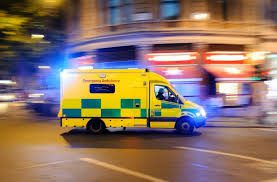
Emergency vehicles are equipped with flashing blue lights and sirens to signal their urgent need to pass through traffic. Whether responding to a fire, medical emergency, or law enforcement call, they must reach their destination as quickly and safely as possible. Failing to yield can lead to delays, accidents, and even legal consequences for obstructing emergency responders.
UK Legal Requirements for Yielding to Emergency Vehicles
The UK Highway Code provides clear guidance on how drivers should react to emergency vehicles:
- Move to the Left and Stop – When you see an emergency vehicle approaching from behind with lights and sirens on, safely pull over to the left and come to a stop if necessary.
- Do Not Block Junctions or Roundabouts – If you are at a junction or roundabout when an emergency vehicle approaches, do not stop in a way that blocks the path. Instead, move forward if it is safe.
- Do Not Mount the Pavement – You must not drive onto the pavement to make way for an emergency vehicle, as this can endanger pedestrians.
- Obey Traffic Lights – Do not run a red light or break traffic laws to move out of the way. If stationary at a red light, remain in place until it changes, unless directed by police or emergency personnel.
- Do Not Tailgate Emergency Vehicles – Maintain a safe following distance, as emergency vehicles may need to stop suddenly.
- On Motorways and Dual Carriageways – Move to the left if possible and allow emergency vehicles to pass in the outside lane or emergency lane.
Failing to comply with these rules can result in penalties, including fines and points on your driving licence.
Best Practices for Safely Sharing the Road with Emergency Vehicles
1. Stay Alert and Aware
- Always check your mirrors regularly to spot emergency vehicles early.
- Keep your car radio volume at a reasonable level so you can hear sirens.
- Stay attentive and avoid distractions like mobile phones or loud conversations.
2. React Quickly but Safely
- Do not panic when you hear sirens or see flashing lights.
- Signal before pulling over to indicate your intentions to other drivers.
- Slow down gradually and come to a stop when it is safe to do so.
3. Be Mindful of Different Road Conditions
On Motorways and Dual Carriageways
- Move left when possible, but avoid sudden lane changes.
- Do not stop in live lanes; instead, allow space for emergency vehicles to pass safely.
- Be aware that emergency vehicles may use the hard shoulder.
At Junctions and Traffic Lights
- Avoid stopping in a way that blocks emergency vehicles from passing through.
- If stopped at a red light, remain where you are unless directed otherwise.
- Never enter a box junction unlawfully to make space, as this can cause further congestion.
In Urban Areas and Narrow Streets
- If traffic is congested, carefully pull to the left to create space.
- If on a narrow road, find a safe place to stop and allow the emergency vehicle to pass.
- Be cautious of parked cars and cyclists when moving aside.
On Rural Roads
- Move to the side when it is safe, but do not stop abruptly.
- Be aware of blind corners and bends that might reduce visibility.
- Avoid pulling over on soft verges where your vehicle might get stuck.
4. Avoid Common Mistakes
- Never try to outrun an emergency vehicle – Always yield immediately.
- Do not tailgate emergency vehicles – Maintain a safe distance.
- Do not assume it is safe to proceed just because the sirens have stopped – Ensure the area is clear before moving.
- Avoid stopping in the middle of the road – Pull over safely to avoid obstructing traffic.
5. Pedestrian and Cyclist Awareness
Pedestrians and cyclists also play a role in allowing emergency vehicles to pass. When you hear sirens:
- Move to the pavement and wait for the vehicle to pass.
- Avoid crossing roads when an emergency vehicle is approaching.
- Cyclists should move to the side of the road and stop if necessary.
What to Do After an Emergency Vehicle Passes
Once an emergency vehicle has passed:
- Check your surroundings before re-entering traffic.
- Do not immediately accelerate or attempt to keep up with the emergency vehicle.
- Be cautious of additional emergency vehicles that may be following.
Emergency Vehicles and UK Traffic Laws
Different road laws apply across the UK concerning emergency vehicles. Some key points include:
- Blue Light Exemptions – Emergency vehicles may exceed speed limits and pass red lights when responding to emergencies, but this does not apply to civilian drivers.
- Move Over Law Considerations – While the UK does not have a strict “move over” law like some countries, drivers are expected to give way safely.
- Cycle and Bus Lanes – Emergency vehicles may use these lanes when responding to calls, but regular drivers should never do so unless permitted.
Always ensure you understand the specific laws in your area to comply with traffic regulations.
Public Awareness and Driver Education in the UK
Public awareness campaigns and driver education are crucial for promoting safe road-sharing practices. Key initiatives include:
- The Think! Road Safety campaign, which educates drivers about emergency vehicle awareness.
- Driving test requirements that emphasise safe reactions to emergency vehicles.
- Local police initiatives to reinforce compliance with road safety laws.
Conclusion
Sharing the road with emergency vehicles responsibly is a key aspect of road safety in the UK. By staying alert, reacting promptly, and understanding the laws, you can help emergency responders reach their destinations without delay. Always remember: yielding correctly can make a difference in saving lives.
By following these best practices and ensuring compliance with UK traffic laws, you contribute to a safer road environment for everyone.
Explore more tips and insights by visiting our blog today!