
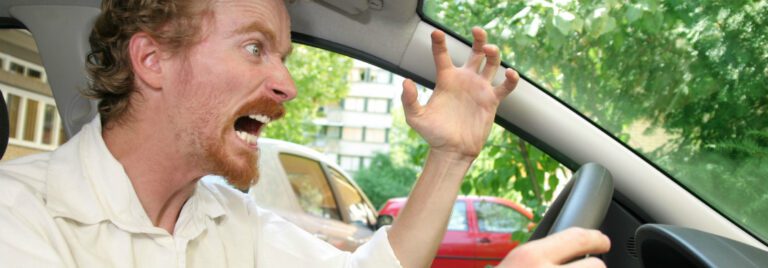
Road rage is a common issue faced by many drivers, whether as victims or perpetrators. It occurs when anger and frustration behind the wheel escalate into aggressive behaviours like shouting, tailgating, cutting off other vehicles, or even physical confrontations. These incidents can not only ruin your day but also put your safety and the safety of others at risk.
Learning how to deal with road rage effectively is crucial for keeping yourself and others safe while driving. Here’s a detailed guide on recognizing road rage, understanding its causes, and practical strategies for managing and avoiding aggressive behaviour on the road.
What is Road Rage?
Road rage refers to aggressive or violent behavior exhibited by a driver due to frustration or anger while driving. It often goes beyond a simple expression of annoyance, manifesting in dangerous driving practices such as:
- Tailgating
- Cutting off other drivers
- Yelling or making angry gestures
- Blocking other vehicles intentionally
- Speeding aggressively
- Confronting another driver either verbally or physically
This type of behavior can stem from various triggers, including traffic delays, reckless drivers, or personal stress. Left unchecked, road rage can lead to accidents, traffic violations, or even physical altercations.
Causes of Road Rage
Before learning how to manage road rage, it’s important to understand its common causes. Recognizing the triggers can help you respond more calmly and avoid escalating the situation. Some typical causes include:
- Heavy Traffic: Congestion can quickly frustrate drivers, leading to impatience and aggression.
- Running Late: Being late for an appointment or work often causes drivers to feel stressed, increasing the likelihood of road rage.
- Impersonal Nature of Driving: Behind the wheel, people often feel anonymous, which can lead them to act in ways they wouldn’t in face-to-face interactions.
- Personal Stress: Stressful life situations, such as work or personal issues, can spill over into driving behavior.
- Perceived Disrespect: Actions like being cut off, honked at, or tailgated can feel like personal attacks, prompting a negative reaction.
- Lack of Patience: Some drivers simply have a low tolerance for anything that slows them down, leading to rash and impulsive reactions.
Recognizing Road Rage
One of the first steps to dealing with road rage is recognizing when you, or someone else, is displaying the signs. Here are common symptoms of road rage:
- Constant honking or aggressive use of the horn.
- Speeding and weaving through traffic dangerously.
- Yelling, using offensive language, or making rude gestures.
- Intentionally tailgating or driving too close to another vehicle.
- Excessive frustration or cursing at other drivers.
- Acts of revenge, such as blocking a driver from passing or cutting them off.
If you notice these behaviors in yourself, it’s crucial to take a step back and de-escalate. Likewise, recognizing these signs in other drivers can help you avoid confrontation.
Tips for Staying Calm and Avoiding Road Rage
Here are some strategies for dealing with road rage and staying calm behind the wheel:
1. Plan Ahead
One of the most effective ways to avoid stress and road rage is to plan ahead. Leave early for your destination so you don’t feel rushed or anxious about being late. Knowing you have enough time can make it easier to stay calm, even in heavy traffic or when facing delays.
2. Take Deep Breaths
If you feel yourself becoming frustrated or angry, practice deep breathing exercises to calm down. Take slow, deep breaths, focusing on exhaling longer than inhaling. This helps relax your body and mind, reducing the impulse to act aggressively.
3. Keep a Safe Distance
Tailgating is one of the most common triggers for road rage. Always maintain a safe distance from the vehicle in front of you, even if the driver is slow or erratic. Keeping your distance helps you avoid potential accidents and gives you more reaction time in case something unexpected happens.
4. Don’t Take It Personally
It’s easy to feel personally attacked when another driver behaves aggressively. However, it’s important to remember that road rage is often more about the other driver’s frustrations than anything you’ve done. Try to avoid internalizing their behavior and stay focused on your own safety.
5. Avoid Retaliating
If another driver is acting aggressively toward you, the worst thing you can do is retaliate. Yelling back, making rude gestures, or trying to “get even” only escalates the situation. Instead, stay calm and let them pass. It’s better to be safe than to engage in a dangerous confrontation.
6. Use Soothing Music or Audio
Listening to calming music, a podcast, or an audiobook can help keep your mind focused and your emotions in check. Avoid music that’s too fast-paced or aggressive, as it might exacerbate your frustration. Opt for something that puts you in a relaxed state of mind.
7. Take Breaks During Long Drives
If you’re on a long trip and feeling tense or irritable, take breaks every couple of hours to stretch your legs, breathe fresh air, and reset your mind. Stopping at a rest area or pulling over for a quick break can reduce your stress levels and help you drive more calmly.
8. Stay in the Right Lane
If you prefer driving at a slower pace, stay in the right lane to avoid frustrating faster drivers behind you. This not only helps you avoid aggressive drivers but also reduces the temptation to speed or keep up with faster traffic.
9. Avoid Eye Contact with Aggressive Drivers
If you encounter an aggressive driver, avoid making eye contact or engaging with them in any way. Direct eye contact can be seen as confrontational, and it may encourage them to act more aggressively. Instead, focus on the road and continue driving safely.
10. Seek Help if Needed
If you find that you’re frequently losing your temper while driving or experiencing intense emotions behind the wheel, it may be a good idea to seek help. Stress management techniques, therapy, or even attending a defensive driving course can provide valuable tools to manage anger and frustration.
What to Do If You Encounter Road Rage from Another Driver
Sometimes, despite your best efforts to stay calm, you may encounter another driver displaying road rage. Here’s how to handle the situation:
- Stay Calm and Don’t Engage: It’s important not to mirror the aggressiveness of the other driver. Avoid retaliating or showing frustration, which could escalate the situation.
- Create Distance: If someone is driving aggressively, slow down or pull over to let them pass. Avoid tailgating or trying to keep up with them.
- Don’t Stop: If a driver is following you or trying to confront you, do not stop your car or get out to engage them. Instead, drive to a safe, public area or, if necessary, to a police station.
- Report Dangerous Behavior: If another driver’s road rage is putting you or others in danger, report their behavior to the authorities. Try to remember their license plate number and provide as much information as possible.
Long-Term Strategies for Managing Road Rage
For many drivers, road rage is a habitual response to stress and frustration while driving. Implementing long-term strategies to reduce stress and manage emotions can help prevent road rage from becoming a persistent issue.
- Practice Mindfulness: Mindfulness exercises, such as meditation or deep breathing, can help you manage stress and stay focused on the present moment. This practice can be beneficial both in and out of the car.
- Attend Defensive Driving Courses: Many defensive driving courses include sections on managing emotions and stress while driving. These courses teach you how to stay in control, avoid aggressive behavior, and maintain focus on safety.
- Improve Time Management: If you frequently find yourself rushing, it’s worth looking at how you manage your time. Organizing your schedule so you’re not constantly under pressure can reduce your overall stress levels.
- Understand Your Triggers: Pay attention to what triggers your road rage. Is it specific driving behaviors, heavy traffic, or running late? Understanding these triggers can help you develop coping strategies tailored to your specific needs.
Conclusion
Road rage is a dangerous and unnecessary risk that can turn a simple drive into a stressful or even hazardous experience. By understanding what causes road rage, recognizing its signs, and applying practical strategies to manage your emotions, you can stay calm, drive more safely, and avoid confrontations on the road. Whether you’re dealing with your own frustration or encountering an aggressive driver, staying composed and prioritizing safety is always the best approach.
Dealing with road rage is essential for maintaining a safe and enjoyable driving experience. By implementing the tips outlined in this guide, you can effectively manage your emotions and respond to aggressive driving behavior with calmness and composure. Remember, staying calm not only enhances your safety but also contributes to a more positive driving environment for everyone on the road.
At Pass2Success, we encourage all drivers to prioritize patience and understanding. By adopting proactive strategies, such as planning ahead and practicing mindfulness, you can significantly reduce stress and avoid confrontations with aggressive drivers. Ultimately, cultivating a calm demeanour behind the wheel helps create safer roads and a more pleasant journey for all. Drive smart, with our refresher driving course, stay calm, and let’s work together to make our roads a better place for everyone.