
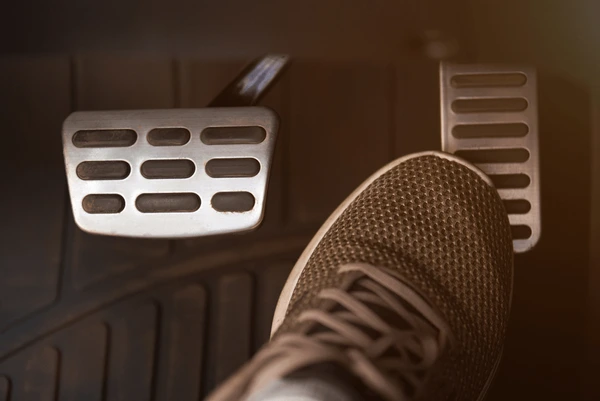
When it comes to driving safety, many people focus on seat belts, airbags, and proper vehicle maintenance. However, one crucial aspect often overlooked is the footwear you choose to wear while driving. The shoes you put on can directly influence your control over the vehicle, reaction time, and overall safety on the road. This article dives deep into how your footwear choices impact safe driving, with insights on the best and worst types of shoes for drivers.
Why Footwear Matters for Driving
The connection between your feet and the car’s pedals is critical. Your footwear determines the grip, flexibility, and accuracy needed to operate the accelerator, brake, and clutch effectively. Wearing improper shoes can:
The Highway Code does not explicitly specify which footwear is permitted or prohibited while driving.
- Reduce Pedal Control: Loose or bulky footwear may lead to slipping off the pedals.
- Delay Reaction Time: Heavy shoes like boots may slow down your movements.
- Cause Discomfort: Poorly fitting shoes may distract you from focusing on the road.
Best Shoes for Safe Driving
- Flat Sole Shoes: Shoes with thin, flat soles provide excellent feedback from the pedals. They allow better control and prevent missteps.
- Sneakers or Trainers: Lightweight, snug-fitting sneakers offer a good balance of comfort and control, making them an ideal choice for long drives.
- Driving Shoes: Designed specifically for motorists, these have flexible soles and a snug fit to enhance pedal feel.
Worst Shoes to Wear While Driving
- Flip-Flops: These can slip off easily, get caught under pedals, and provide little to no grip.
- High Heels: The narrow base of heels makes it difficult to apply consistent pressure to the pedals, while the height may distort pedal reach.
- Heavy Boots: Steel-toe boots or thick-soled boots can make it challenging to feel the pedals, reducing control.
- Barefoot Driving: Although legal in many places, driving barefoot can result in slippery feet, lack of grip, and discomfort over time.
Tips for Choosing Safe Driving Footwear
- Test Your Shoes Beforehand: If you’re trying a new pair of shoes, sit in your parked car and press the pedals to check for comfort and control.
- Keep Spare Shoes in the Car: If your day involves activities requiring unsuitable driving shoes, consider keeping a pair of flat-soled sneakers in the vehicle.
- Avoid Worn-Out Soles: Shoes with smooth or worn-out soles are more likely to slip on the pedals.
Legal and Insurance Implications
In some cases, wearing improper footwear could lead to legal issues or affect your insurance claim after an accident. If your footwear is deemed a contributing factor in an incident, you might be held partially responsible. Staying informed about local driving regulations is always a good idea.
Frequently Asked Questions
1. Is it illegal to drive barefoot?
In most places, driving barefoot is not illegal, but it’s discouraged because it offers less control compared to wearing proper footwear.
2. Are flip-flops dangerous for driving?
Yes, flip-flops are one of the worst footwear choices for driving. Their loose fit and lack of grip can lead to accidents.
3. What should I do if I must drive in heels?
If you need to wear heels, consider keeping a pair of flat driving shoes in your car to switch into while driving.
Conclusion
Your footwear significantly impacts your driving performance and safety. Choosing proper shoes for driving—such as flat, flexible, and snug-fitting options—can improve your control and reduce the risk of accidents. By being mindful of what’s on your feet, you ensure not only your safety but also that of your passengers and fellow road users.
Explore more tips and insights—visit our blog today!